

Established in May 2024, P-Green Solutions (Pandhi Green Solutions & Innovations Pvt. Ltd.) is a sustainability-driven firm led by Director Arun Pandhi, with offices in Delhi, Gurgaon and Dehradun. The firm is dedicated to advancing innovative, climate-resilient practices across the agriculture, dairy, water and sanitation sectors, with a strong emphasis on climate change adaptation and mitigation. P-Green Solutions combines technology, innovation, and strategic insight to help organizations reduce their carbon footprint, build climate resilience, and contribute meaningfully to a more sustainable future.
- Championed sustainable solutions for the agriculture, water and dairy sectors, with a focus on climate change and community development.
- Provided end-to-end services spanning consulting, advisory, implementation, and monitoring & evaluation (M&E), tailored to the needs of stakeholders.
- Collaborated with governmental, non-governmental, and corporate entities to advance sustainable development initiatives.
- Innovated technical and non-technical solutions to address environmental challenges and promote community empowerment.
- Works on setting up viable agri-businesses and sustainable supply chains involving farmer producer organizations.
- Maintains a specific focus on developing, strengthening, and building the long-term sustainability of agricultural value chains and Farmer Producer Organizations (FPOs).
- Pursues financial and institutional sustainability in the WASH sector, with a specific focus on drinking water in rural and urban contexts and on Solid & Liquid Waste Management (SLWM).
- Areas of technical focus, per the firm’s own positioning, also extend to Environment, Social & Governance (ESG) advisory for the food and agri sectors, and to sustainability approaches built around community-based institutions.
Assignments Undertaken Since 2025
Uttarakhand — Self-Reliant Cooperatives, FPOs and Water & Livelihoods
- Undertook a detailed gap analysis of various Self-Reliant Cooperatives (SRCs) and Farmer Producer Organizations (FPOs) in Uttarakhand — studying value chains in depth, developing business plans, and building detailed action plans with SRC teams to achieve targets and make each institution financially and institutionally sustainable; also developed new project concepts around nature-based tourism and fishery.
- Undertook an assessment of supported irrigation infrastructure in the Himalayan region of Uttarakhand — evaluating effectiveness, efficacy, efficiency and impact — including a Cost-Benefit Analysis and recommendations for the next phase of “Water & Livelihoods” work in the Himalayas. This Phase I work was carried out as the study “Sustainability of Water Interventions for Livelihoods,” under the IWMI-TATA Water Policy Research Program, and ran from September 2025 to February 2026.
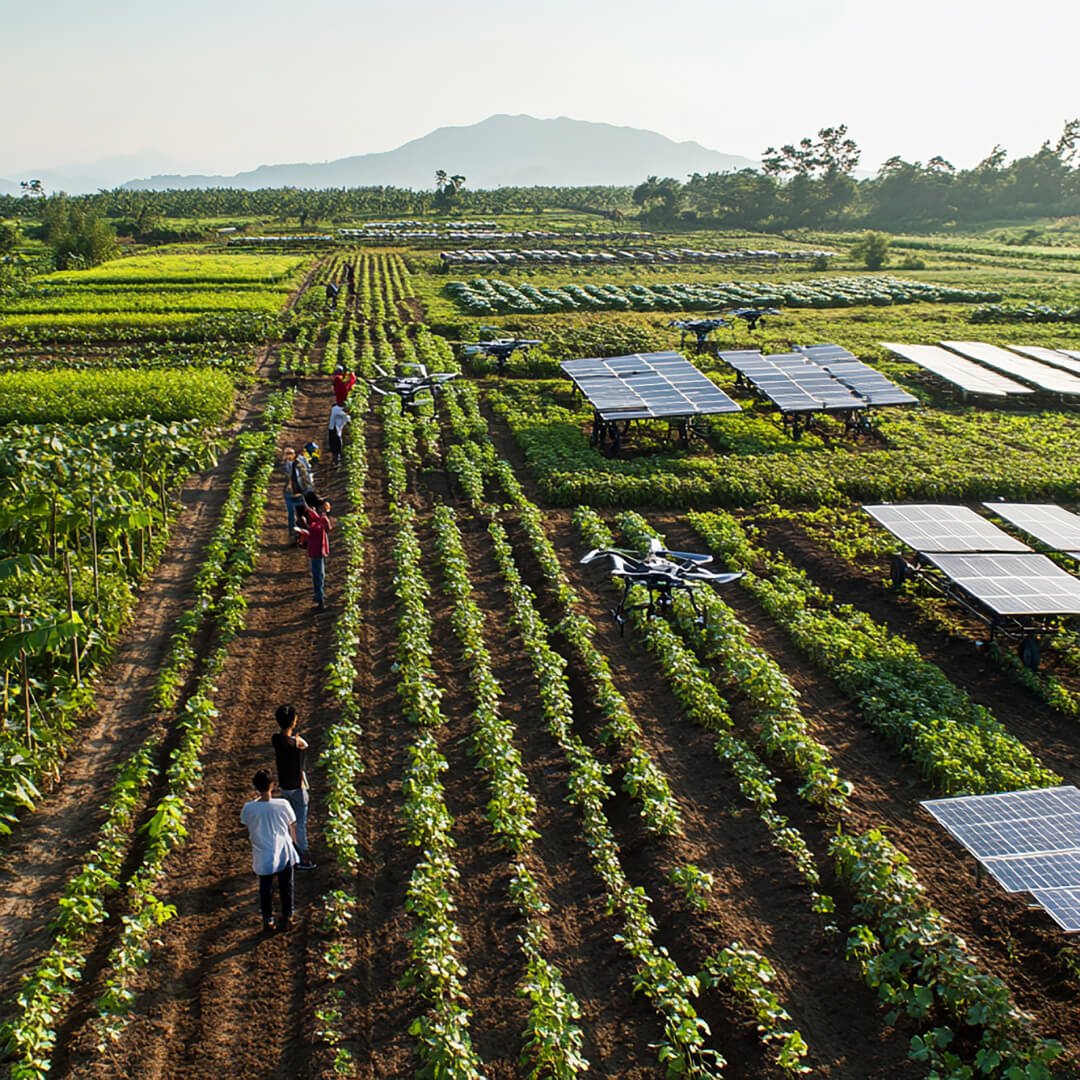
- A Phase II initiative is now under way in Uttarakhand to carry forward the Phase I findings, under the proposal “Water Distribution Solutions for Dryland Agriculture in the Uttarakhand Himalayas”. Coverage spans the Tehri, Pauri/Chamoli, Nainital and Almora districts, and the work involves: (i) piloting different types of solar lift pumps to maximize irrigation coverage, developing systems for water storage, distribution, and O&M suited to mountain conditions, and undertaking action research on village-level Water User Groups (WUGs) to strengthen their institutional and financial sustainability; and (ii) studying water distribution systems under rainfed conditions to improve soil moisture retention, minimize conveyance and distribution losses, and optimize water-use efficiency.
- A complementary Phase II proposal — “Water & Livelihoods in the Himalayas: Solar-Based Irrigation Solutions for Rainfed Agriculture in the Uttarakhand Himalayas” has been submitted in order to firm up recommendations on solar irrigation scheme management and WUG/water-distribution mechanisms.
- Work has commenced on a larger, pan-Himalayan water action-research and physical piloting programme, building on the Uttarakhand experience described above. A five-year proposal, “Sustaining Rural Livelihoods through Irrigation Efficiency in the Indian Himalayas” (27 July 2026), has been prepared by P-Green Solutions proposing to extend irrigation-efficiency work across Himachal Pradesh, Uttarakhand, Jammu & Kashmir and Ladakh. The programme is structured around five thematic pillars — crop-water efficiency, solar-powered irrigation, the economic viability of traditional Guhls/Kuhls, protected cultivation, and fertigation/Integrated Productivity Management — comprising some 144 pilots paired with a structured action-research agenda over five years.
Tamil Nadu, Odisha, Madhya Pradesh & Gujarat
- Undertook an impact and needs assessment, together with a market survey, across several value chains in Tiruvannamalai district, Tamil Nadu — covering honey, millet, horse gram, tamarind and custard apple — and developed proposals for a wild bee honey value chain and a dairy project for the region. The assessment covered the Latchathipathi Vivasayi Project in the Jawadhu Hills; the honey value chain proposal builds out the BAYA brand, while the dairy proposal envisages a collaborative project with SREEJA Mahila Milk Producer Company.
- Delivered capacity building and business development training for farmer producer organizations in Odisha, Madhya Pradesh and Gujarat. The assignment comprised two-day workshops for FPO Boards of Directors and CEOs — covering statutory and regulatory compliance (corporate governance, FSSAI, GST, tax, financial and data-protection compliance) as well as Kharif-season business and marketing planning — delivered in Hindi and regional languages.
Strategic Planning for Development Organizations
- Developed five-year strategic plans for partner organizations with clear, measurable deliverables, including vision and mission statements, “Theory of Change” documentation, synthesis of assessment findings into actionable insights, and Donor Engagement Strategy and proposal development.
- The first such exercise, with a water-and-livelihoods focus in Assam, was undertaken for a partner organization covering its WaSH, Livelihoods and Crafts verticals across Assam and Tripura for its 2026–2031 strategic period, and included a Theory of Change workshop and refinement of vision and mission statements.
- The second, with an all-India agriculture focus, was undertaken for another organization, including refinement of its vision and mission statements toward more specific, mechanism-led language, and consolidation of its Theory of Change. The assignment also covers identification of impact-assessment resources, development of donor concept notes and full proposals with log-frames for priority donors, and design and delivery of a capacity-building workshop for the leadership team.
Assam — Detailed Project Report
Work has commenced on a Detailed Project Report (DPR) for a partner Foundation’s new project location in Assam, covering Balijana Block (Goalpara district) and Chakchaka Block (Barpeta district). The task envisaged shortlisting two to three clusters of 15–20 villages, before the engagement finalized on Balijana and Chakchaka; the scale of operations initially proposed was an outlay of about Rs. 1.5 crore in Year 1, rising to about Rs. 2.5 crore per year thereafter. Standalone value-chain research notes have also been produced to support the DPR on the rubber (Goalpara/Balijana), vegetable (Barpeta/Chakchaka), and piggery value chains, each identifying convergence opportunities with existing government and industry programmes and flagging block-level data gaps for verification through primary fieldwork.
Maharashtra, Punjab & Dairy Sector
- Commenced work on water and livelihood projects to mitigate risk in the water-stressed Vidarbha and Marathwada regions of Maharashtra, with interventions intertwined with dairy work, including supply chain development and productivity enhancement services.
- Bringing in various biotechnologies to expedite the processing of Waste Water Stabilization Ponds (WWSPs) in Punjab, including treatment of grey water through the introduction of bio-agents and recommended bacteria to reduce turnover time, and the use of nanobubble technologies for water purification.
- Working with the dairy industry to introduce cost-effective bio-agents into effluent treatment plants at milk processing units, making the overall process more environmentally sustainable.
Recent Representation, Events & Field Engagement (2026)
- Represented P-Green Solutions at the 25th (Silver Jubilee) edition of the World Sustainable Development Summit (WSDS) 2026, organized by TERI at the Taj Palace, New Delhi (25–27 February 2026), under the theme “Transformations: Vision, Voices, and Values for Sustainable Development.”
- Attended Mumbai Climate Week 2026, India’s inaugural citizen-led climate conference, at the Jio World Convention Centre (17–19 February 2026), engaging with sessions on urban resilience, energy transition, and food systems.
- Attended the EAW Global Aqua Expo 2026 at Pragati Maidan, Delhi (6–8 August 2026), engaging with water and wastewater treatment companies, technology providers and policymakers to explore partnerships in project implementation, technical advisory, research and innovation, and capacity building.
- Attended the 12th & 13th Eastern Himalayas Naturenomics Forum (EHNF) in 20214 and 2025 in Guwahati, and the World Food Expo 2025 at Bharat Mandapam, New Delhi (26 September 2025).
- Attended the IWMI-TATA Water Research Program’s Annual Partners Meet on “Water & Livelihoods in the Himalayas.”
Strategic Partnerships
To facilitate work on the ground and ensure impact, P-Green Solutions has signed Memoranda of Understanding (MoUs) with leading Indian non-profits and institutions, including:
- Collectives for Integrated Livelihood Initiatives (CInI), Jamshedpur
- Coastal Salinity Prevention Cell (CSPC), Ahmedabad
- Himmotthan, Uttarakhand
- ASQI
- Team Athena
Execution Capacity
Behind this range of assignments sits a consistent operating standard: every engagement is judged by whether it can scale, not just whether it works in one village or one cooperative. P-Green Solutions designs pilots to be genuinely replicable — benchmarked against measurable indicators of impact, built around a finite exit route so that ownership passes to the community or institution rather than staying with the firm, and adapted to local context while drawing on the best available practice globally rather than reinventing it. That combination — a bias toward leading with new approaches rather than simply following precedent, paired with the field discipline to see each pilot through — is what lets a single watershed intervention or FPO business plan grow into a multi-district, multi-state programme. It is anchored by an in-house team with decades of grassroots delivery experience across the regions in which the firm operates, introduced below.
Our Team
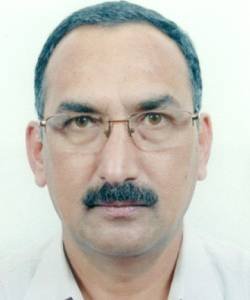
Dr Yashpal Singh Bisht
Development Specialist
Yashpal Singh Bisht is a development professional with over 35 years of work experience in the central and western Himalayan regions of India. His key achievements include leading and nurturing an organisation, Himmotthan Society (an Associate Organisation of Tata Trusts), to design, implement, and monitor multidisciplinary programs, including idea incubation, piloting, and technical support to civil society organisations and community institutions. His core expertise lies in developing partnerships, engaging stakeholders, working effectively with institutions and government entities, and conducting action research, assessments, and reviews.
Over the years, he has conducted intensive grassroots work and designed and implemented multi-thematic programs grounded in reality. His thematic expertise is deeply rooted in natural resource management and community-centric development, including farm and non-farm livelihoods, micro-finance, water, renewable energy, environmental education, and Nature-based Solutions. He acquires an in-depth understanding and the required skills in program monitoring, assessments, and conducting action research on various issues related to rural development, natural resources management, and rural livelihoods.
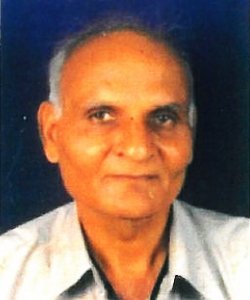
Chandra Shekhar Pathak
Advisor and Development Specialist
Chandra Shekhar Pathak is an advisor and development consultant with expertise in sustainable natural resource management, focusing on land and water through the Participatory Integrated Micro Watershed Development approach. His work emphasizes collaborative, community-driven strategies to enhance resource conservation, improve agricultural productivity, and support sustainable livelihoods. By integrating local knowledge with technical solutions, he fosters holistic development that strengthens environmental resilience and promotes long-term economic stability in rural communities.
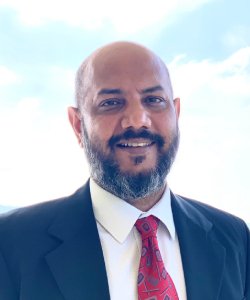
Vishwas Garg
Expert in International Development Consulting
Vishwas Garg is an expert in international development consulting with a strong focus on agriculture, farmer companies, and supply chain markets. He specializes in international trade, new business development, and value chain management, helping businesses optimize operations and expand globally. His expertise in procurement, risk management, and import/export enables him to navigate complex trade environments and drive sustainable growth across diverse markets. Vishwas also collaborates with stakeholders to design innovative solutions that enhance market linkages and improve livelihoods.
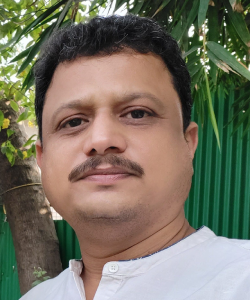
Kiran Petare
Development Specialist
Kiran Petare is a seasoned Development Professional with over 25 years of experience in the social development sector, specializing in leading large-scale, high-impact programs through strategic and effective partnerships. He has a proven track record of managing multi-thematic teams, driving active community engagement, and overseeing measurable outcomes across the program lifecycle.
His core expertise lies in partnership and grant management, stakeholder engagement, and working effectively with civil societies, community institutions, government entities, and leading implementation organizations.
His thematic expertise is deeply rooted in natural resource management and community-centric development, including:
Natural Resource Management: Water and forest management, watershed-based holistic development, and water resource development and management.
Livelihood Interventions: On-farm and off-farm livelihood interventions, including agriculture, microfinance, forest-based livelihoods, and horticulture-based livelihood enhancement programs.
Water, Sanitation, and Hygiene (WASH): Expertise in Drinking Water and Sanitation, including leading research on the integration of drinking water and sanitation within watershed development programs.
Renewable Energy: Currently working as an Independent Consultant focusing on decentralized renewable energy solutions (Solar and Bio-Gas) in rural India.
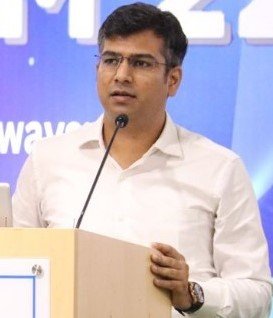
Varun Kappal
Development Specialist
Varun is a deeply passionate working professional with 15+ years of experience, including 3.5+ years in IT, and multi-thematic experience in sectors that include, Livelihoods & institutions, ECCE & School Education, Social Protection & Migration, Nutrition, Healthcare, Disaster Management, Water & Sanitation, and Governance. He holds a demonstrated experience in heading organization & programs – instituting systems, processes & learning centricity at workplace. He has extensive experience in managing execution of several programs at once, from design to implementation strategy – diagnosis, defining performance metrics, planning and implementation, and forging/enriching partnerships. He is tech savvy, with extensive experience in product development (IT4D) – product strategy, user centric requirements specification, and product delivery.
